Saving energy shouldn’t trade away comfort, and it shouldn’t demand guesswork. With a practical plan, you can tighten your home, tune your HVAC, and shape everyday habits that strengthen home energy efficiency without disrupting your routine. You’ll see how small changes and deeper upgrades complement each other, from airflow testing to thermostat schedule tips. We’ll map out a phased approach that targets wins in the right order, tying diagnostics to clear action steps. Along the way, you’ll balance home comfort vs energy use while learning where budgets deliver the highest gains. Expect guidance on ducts, moisture, and ventilation, plus real examples from homes using HVAC and ac systems. We’ll also line up maintenance checklists and easy tasks, so the savings stick all year. By the end, you’ll know what to measure, what to fix, and where to upgrade. You’ll also gain confidence to compare quotes and plan ahead.
Scope needs and prioritize steps for a realistic plan
Start by naming your goals and constraints, then align them with indoor comfort planning and system sizing and comfort. See how choices compare at home energy efficiency and keep notes for every option. Use manual j load calculation to estimate your heating and cooling loads, and manual s equipment selection to match the right size air conditioner or the right size heat pump. Confirm capacities so you dodge undersized ac symptoms and short cycling. Build a quick checklist before you call a pro.

Next, weigh efficiency ratings thoughtfully: seer vs seer2 explained, eer rating explained, and hspf vs hspf2 explained. Pair ratings with variable speed hvac benefits for quieter operation and steadier temperatures. For budgeting, track home upgrade roi and efficiency upgrade payback so you focus on upgrades that reduce utility bills. Gather apples-to-apples numbers so bid details stay honest and clear. This sets a firm baseline for decisions.

Raise confidence and contain leakage with evidence-based steps
Begin with hvac diagnostics and hvac performance testing to locate airflow testing needs and static pressure in hvac limits. Keep notes as you document ductwork airflow issues and return air problems. Check duct leakage signs to estimate duct leakage energy loss, then review a duct sizing guide or manual d duct design when changes are needed. When existing trunks are too restricted, expand or re-route branches. Don’t forget supply vs return airflow balance in each zone.
In lived rooms, look for hot and cold spots in house, ac not cooling evenly, and furnace not heating evenly. Typical red flags include weak airflow from vents and reduced airflow causes such as crushed flex runs or clogged filters. Book an air balancing service with damper balancing in ducts to fix split-level temperature swings; this often corrects attic ductwork problems and supports duct insulation r value targets. These steps cut noise and drafts while improving comfort.
Select materials and tighten the envelope for gains
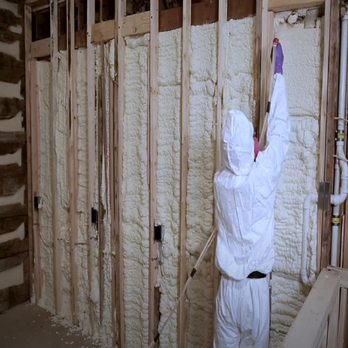
Start with an insulation r value guide and plan an attic insulation upgrade that suits your climate. For cavities, compare spray foam vs blown in insulation and watch for thermal bridging explained at rafters and rim joists. In hot attics, weigh radiant barrier pros and cons and add window efficiency upgrades for solar control. Seal gaps first, then insulate, so weatherization basics deliver real gains.
Filtration and ventilation drive indoor air quality basics, so use iaq improvement tips tied to best hvac filter for allergies. Understand merv 8 vs merv 11 vs merv 13 and note high merv filter airflow impact on fans. Add fresh air ventilation options and erv vs hrv explained to decide the right exchange strategy. Track dust in house causes and apply smoke and dust control where needed.
Plan workflows and stage tasks for dependable comfort
Start with seasonal energy savings that weave in summer energy savings at home and winter energy savings at home. For light loads, smart thermostat savings grow with smart thermostat settings and thermostat schedule tips that match your routine and time of use rates explained. You can also place remote temperature sensors to narrow peak vs off peak electricity swings and trim phantom power usage from small devices. Kill standby losses so base loads drop while you optimize the routine.
Zoning and equipment choices matter too: hvac zoning basics strengthens control in tricky layouts. Decide on mini split vs central air, then outline ductless mini split benefits with mini split sizing and multi zone mini split design if ducts are limited. Keep concealed mini split maintenance in mind to avoid mini split noise causes and mini split drain line issues. When fuel choices shift, compare heat pump vs furnace or a dual fuel heat pump system.
Sustain results with maintenance and long-term planning
Build a simple routine using hvac maintenance checklist, ac maintenance checklist, and furnace maintenance checklist aligned with hvac tune up checklist. Keep your binder current with homeowner maintenance checklist and monthly home maintenance checklist. Add seasonal home maintenance checklist items from a new homeowner handbook to track home systems basics and home systems performance. This makes homeownership cost breakdown and home repair budgeting more predictable.
Moisture control preserves the shell: set an indoor humidity target range and practice humidity control in home to support mold prevention tips and a thorough mold and moisture guide. Watch for musty smell in house, condensation on vents, condensation on ductwork, and attic moisture problems. Correct attic ventilation balance by choosing ridge vent vs soffit vent for steady airflow. Down below, use crawlspace encapsulation basics, a crawlspace vapor barrier, and crawlspace dehumidifier sizing to support basement humidity control.
Water heating also shapes bills and comfort. Track water heater energy use and apply water heater efficiency tips plus water heater maintenance, including flush water heater sediment and replace anode rod. Stay alert to water heater leak signs and compare water heater repair vs replace alongside water heater replacement cost to extend water heater lifespan smartly. Explore tankless water heater pros and cons, tankless water heater sizing, a tankless water heater installation guide, tankless water heater venting, tankless water heater descaling, and tankless water heater outdoors.
Round out your plan with a whole home energy audit guided by a home energy audit checklist that includes blower door test explained and a home air leakage test. Tie choices to energy saving tips for homeowners that deliver a lower utility bill, a lower electric bill, and a lower gas bill through home energy efficiency gains. Use time of use rates explained to shift chores and flatten your peaks. Keep weatherization basics on repeat to reinforce air sealing tips and seasonal energy savings.
Conclusion: When you combine planning, quality checks, smart materials, smooth scheduling, and steady maintenance, your HVAC, heating, and ac systems work together instead of competing. The result is balanced home comfort with fewer surprises, cleaner air, and calmer bills. With clear data, repair vs replace decisions become easier and budgets stretch further. Small wins stack quickly when you follow a practical, staged plan.