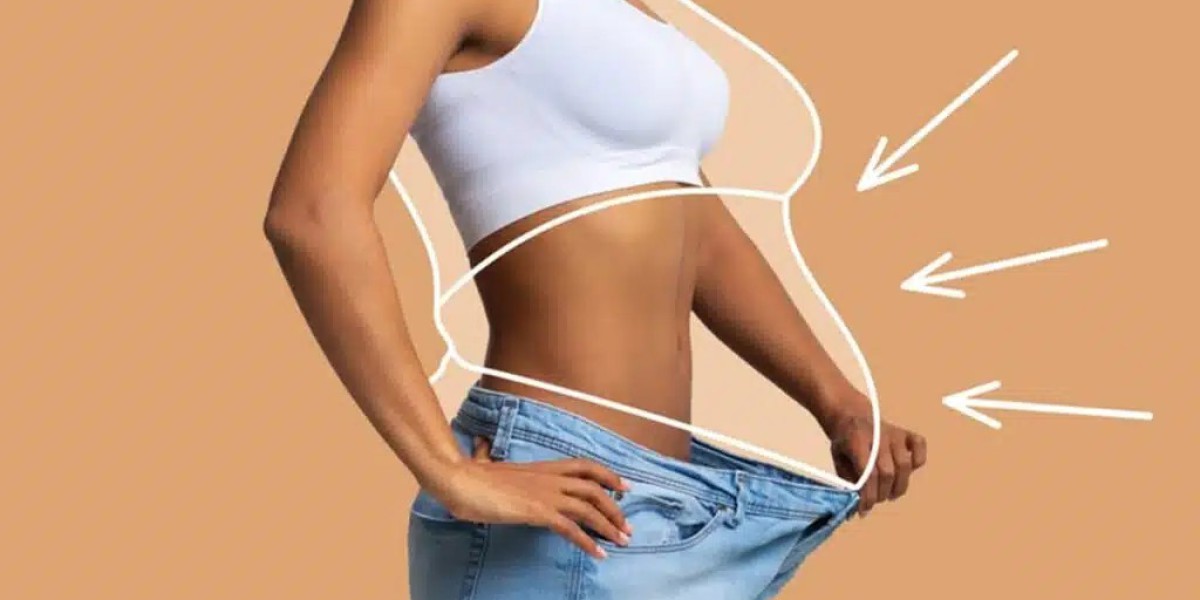

Liposuction is a transformative procedure that removes unwanted fat from targeted areas, helping patients achieve smoother contours and improved body proportions. Many individuals considering Liposuction Surgery Riyadh often wonder what actually happens to the fat once it is removed and how the body responds afterward. Understanding the process helps patients set realistic expectations, maintain results, and make informed decisions about their body contouring journey.
How Liposuction Removes Fat:
Liposuction is a surgical technique that physically removes fat cells from the body using a cannula and suction. During the procedure:
Fat cells in targeted areas are gently loosened and suctioned out
Surgeons can focus on specific regions like the abdomen, thighs, arms, or neck
Tumescent or laser-assisted techniques may be used to minimize trauma and bleeding
The removed fat is permanently eliminated from the treated area
This process provides immediate contour improvement, although swelling may mask final results initially.
The Body’s Response After Fat Removal:
Once fat cells are removed, the body begins a healing process that involves:
Reducing swelling and bruising over several weeks
Tightening the remaining skin to conform to the new contours
Adjusting blood flow and tissue alignment in treated areas
Metabolizing small amounts of residual fat that were not suctioned out
The body gradually adapts to its new shape, and proper post-operative care is essential for optimal results.
Are Removed Fat Cells Gone Forever?
One of the benefits of liposuction is that it permanently eliminates fat cells in the treated area. Important considerations include:
Fat cells do not regenerate once removed
The body can still store fat in untreated areas if weight is gained
Maintaining a healthy lifestyle ensures that remaining fat cells do not expand significantly
Overeating or lack of physical activity can lead to fat accumulation in other parts of the body
Understanding this distinction emphasizes the importance of post-surgical weight management.
Metabolism of Residual Fat Cells:
While liposuction removes a significant portion of fat in targeted areas, some fat cells remain. These cells:
Can still store energy if caloric intake exceeds expenditure
May enlarge if weight gain occurs, potentially affecting overall appearance
Are influenced by genetics and lifestyle habits
Can be managed through diet, exercise, and healthy habits to preserve surgical results
Awareness of residual fat helps patients understand the need for ongoing maintenance.
Impact on Body Contours and Symmetry:
The removal of fat cells directly affects body shape and symmetry. Surgeons aim to:
Sculpt natural-looking contours that complement the patient’s physique
Avoid irregularities by evenly distributing fat removal
Address areas that were resistant to diet and exercise
Combine liposuction with other procedures, if necessary, for optimal results
Proper technique ensures that fat removal enhances proportions and overall aesthetic balance.
Long-Term Considerations:
Even though the removed fat is permanent, long-term outcomes depend on lifestyle choices. Key points to consider include:
Weight fluctuations can affect untreated areas, altering overall proportions
Regular exercise and balanced nutrition help maintain results
Follow-up visits with the surgeon ensure that any minor contour adjustments can be addressed
Understanding that liposuction is not a substitute for healthy habits reinforces lasting success
Patients who adopt a sustainable lifestyle maximize the longevity of their liposuction results.
Can Removed Fat Be Used Elsewhere?
In some cases, surgeons may repurpose fat removed during liposuction for fat grafting procedures. This process involves:
Purifying the suctioned fat to prepare it for reinjection
Using the fat to enhance areas like the buttocks, breasts, or face
Carefully transferring fat to achieve natural volume and shape
Retaining a portion of grafted fat permanently while some may be reabsorbed
This dual benefit can allow patients to sculpt multiple areas of the body simultaneously.
Recovery and Fat Management:
Post-operative care plays a significant role in how the body responds to fat removal. Patients are advised to:
Wear compression garments as instructed to reduce swelling and support skin retraction
Stay hydrated and eat a nutrient-rich diet to promote healing
Avoid rapid weight gain to prevent fat accumulation in untreated areas
Incorporate gradual physical activity as cleared by the surgeon
Proper recovery ensures smooth contours and maximizes the long-term benefits of liposuction.
Final Thoughts:
Understanding what happens to fat after Liposuction Surgery Riyadh helps patients approach the procedure with clarity and realistic expectations. Fat cells in treated areas are permanently removed, while residual cells and untreated regions can be managed through a healthy lifestyle. By combining surgical precision with careful post-operative care, patients can achieve lasting contour improvements, enhanced confidence, and a more proportionate, sculpted physique. Liposuction is not just about removing fat—it’s about shaping a healthier, more confident version of yourself.